
School of Intuitive Herbalism
Learning from the plants directly
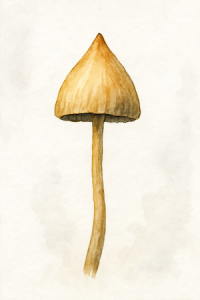
Exeter Psychedelic Research Trial | 2026
Community of Practice
It is an incredible privilege to be part of the first cohort of facilitators for a new research trial at Exeter University. Over the next several years, we will be accompanying groups of eight healthy volunteers through a Community of Practice model of psychedelic work. This approach, already well-established in parts of Canada, centres on cultivating a small community who journey together, allowing for deep, community-supported intention-setting and spacious integration.
The structure includes eight weekly Zoom sessions leading into the work, followed by four weekly Zoom integration sessions, with a weekend psilocybin ceremony held at Exeter University.
Two facilitators will accompany you throughout the entire journey, with an additional two joining to support the ceremony itself.
Although the ceremony room is, by ethical and legal necessity, located within a modern university campus, it is remarkably well-suited to this work. It sits on the ground floor and opens onto a simple courtyard with trees. A large curved window brings in generous natural light, and the warm wooden floor creates a calm, grounded atmosphere. All ceremonies will take place on Saturdays, when the campus is quiet, allowing the space to feel spacious, held, and peaceful.
I am part of the first cohort of eight trainees and we expect to begin supporting the first groups through this process in late Spring 2026.
Over the first eight meetings on Zoom, we work with a very simple model that is closely aligned with how we work in the school. Each person shares for three minutes in response to a specific question (for example: “Speak about a part of yourself you feel scared to show”), followed by three minutes of embodied witnessing from two or three others in the group. There is a strong focus on encouraging deeply embodied sharing and responses (e.g. “When you spoke of this, I felt…”) and a clear instruction not to give advice, interpretations, or assessments. This creates a powerful sense of belonging and being seen — both of which catalyse the work we do with the psilocybin when we meet in person.
Experience with this model has shown that the strength of the community’s holding means minimal facilitation is needed. As facilitators, we are there to offer gentle support, presence, and simple touch when appropriate; to tend to the space; and to be available to take people into a 1:1 space if they need that for a time. Although all facilitators have therapeutic experience (some at a very high level), we are not there as therapists, healers, or shamans. This is fundamental to the model — the whole purpose is to minimise hierarchy and strengthen community.
For safety, the psychiatric lead will be available elsewhere in the building, but they are not involved in the ceremony itself. Their role is simply to be present in the very unlikely event that someone experiences an unusually strong reaction. If you’d like to read one of the research papers behind this methodology, click here.
Currently we are expecting the ethical approval to be completed around February 2026. Shortly after we will be inviting people to apply to be part of the first 80 people to go through this process with us.
If you would like to be amongst the very first to hear about this (and for any further live updates) join this WhatsApp group. This will also be the main source of information going forward as we start to weave this work in with work we do at the school, via a beautiful venue in the Netherlands.
(if you are not on WhatsApp email me at ruskin.apothecary < @ > yahoo.co.uk)